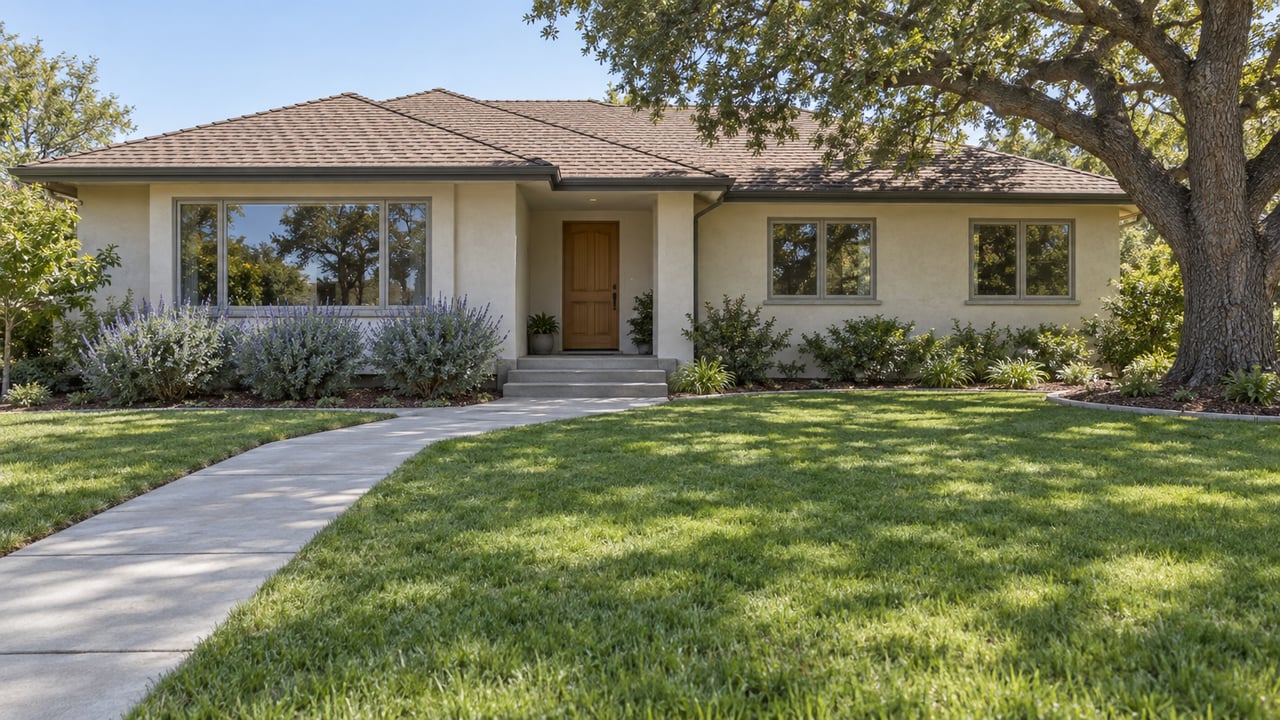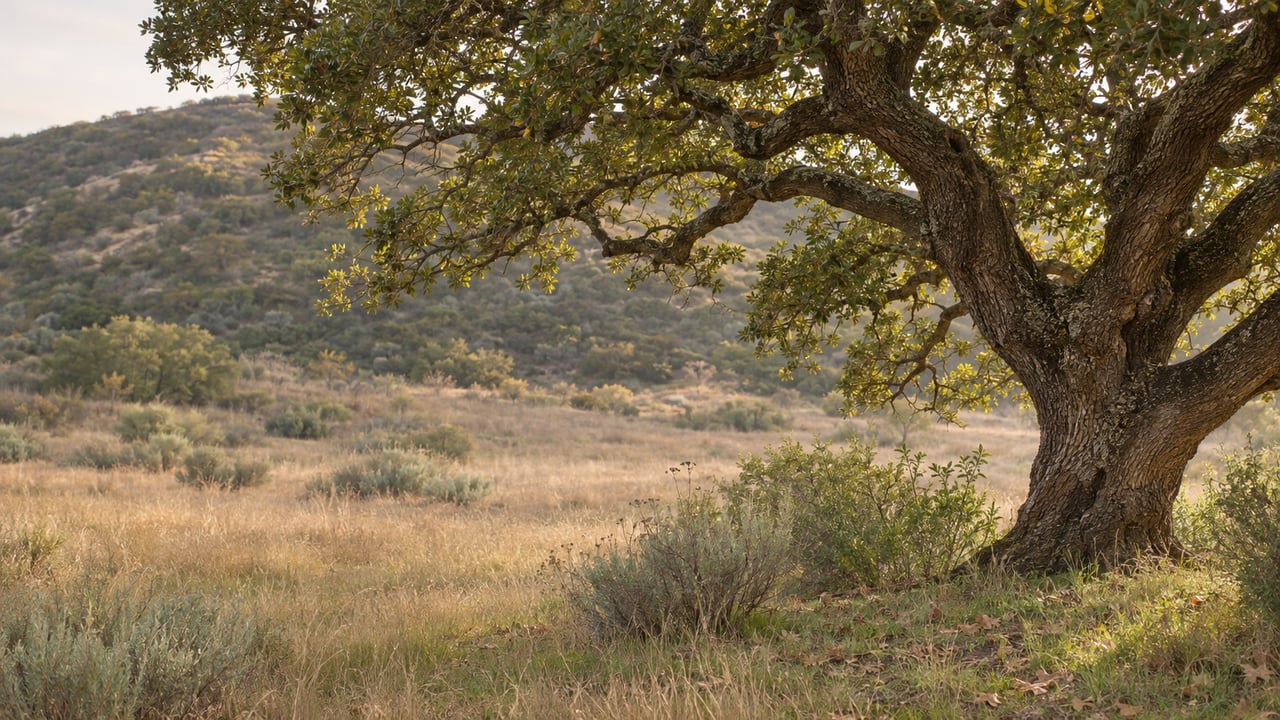
At 1:30 a.m. on Nov. 5, a camera caught a coyote moving south across the overpass above the 101 at Liberty Canyon. More than 300,000 cars pass beneath that overpass every day. Three later photos showed it heading back the other way. By 1:47 a.m., it was at the northern end of the crossing, carrying what might have been a bone or a stick. The Los Angeles Times reported that Seth Riley, wildlife branch chief for the Santa Monica Mountains National Recreation Area, took the roughly 20 minutes it spent up there as a good sign. An animal spooked by light or noise would not have stayed that long.
That coyote was the second one to show up. The first was photographed on Oct. 28 on the southern slope above Agoura Road. At that point a steep drop-off between the crossing's two overpasses kept it from getting any farther.
So the official ribbon-cutting for the Wallis Annenberg Wildlife Crossing, on Wednesday, Dec. 2, arrives after the animals have already started testing the structure. The crossing still won't be finished for them that day. For Calabasas, the dedication happens at King Gillette Ranch on Mulholland Highway, on a big screen. It marks the end of construction for people. Use by wildlife has already begun and will keep growing after the speeches end.
Half of the crossing is green and half is bare dirt
The crossing has two overpasses with a land bridge between them, and they are at very different stages.
- The 101 overpass. Per the Los Angeles Times, it spans 10 lanes of freeway and is covered with about 6,000 native plants. The Acorn's October update described the planting there as flourishing.
- The Agoura Road overpass. The bridge is built but has no plants yet.
- The land bridge between them. It was still under construction in early November and also bare. Planting on it and on the Agoura Road span won't start until after the ribbon-cutting.
The Acorn reported on Oct. 16 that the main structures and utility relocations were complete as of an Oct. 8 field update. Grading the earthen approaches and restoring the habitat were still underway. Officials said Dec. 2 was on schedule as long as severe weather didn't get in the way.
The bare sections matter for some species more than others. Riley told the Times that some animals, including bobcats, may be less inclined to use open ground without cover. He doesn't expect mountain lions to be put off, since an animal at the top of the food chain has little to fear. Grading has also closed the gap that stopped the first coyote. Larger animals, including bobcats, mountain lions and coyotes, can now physically get from one side to the other.
"We've spent a ton of time and effort and money, not just to build the crossing, but to make it feel as natural as possible."
Seth Riley, National Park Service, speaking to the Los Angeles Times
Why the public festival is in Calabasas
The crossing will never have public access. The project's FAQ explains that the community strongly supported giving wildlife every chance at safe passage. As a result, the crossing has no trails or public access. Nearby trails offer views of it, and a viewing platform is planned.
That's why the public dedication isn't at Liberty Canyon. The official ribbon-cutting takes place at the crossing itself. The community festival runs at the same time a few miles away at King Gillette Ranch, 26800 Mulholland Hwy, where guests watch the ceremony live on a large screen and cut a ribbon of their own at a virtual display. The event page calls it the Public Ribbon-Cutting & P-22 Legacy Celebration, with partner exhibits, music and special guests. After the ribbon-cutting, a separate reception in Agoura Hills raises money from donors and sponsors and isn't a general public event.
The ceremony caps a project more than three decades in the making. The Acorn put its estimated cost at about $114 million. Partners include the National Wildlife Federation, Caltrans, the National Park Service, the Santa Monica Mountains Conservancy and the Mountains Recreation and Conservation Authority. According to the project FAQ, the #SaveLACougars campaign has raised more than $100 million from more than 6,000 donors around the world.
Two days at King Gillette Ranch
Both public events are at King Gillette Ranch and both require tickets. Ticket donations go to the National Wildlife Federation's #SaveLACougars campaign.
| Tuesday, Dec. 1 | Wednesday, Dec. 2 | |
|---|---|---|
| Event | An Evening of Cats, Crossings and Connectivity | Public Ribbon-Cutting & P-22 Legacy Celebration |
| Where | King Gillette Ranch Theater | King Gillette Ranch grounds |
| Time | 5 to 7 p.m. | 11:30 a.m. to 3:30 p.m. |
| Tickets | $10 ages 13+, $5 ages 12 and under, limited | $10 ages 13+, $5 ages 12 and under |
| Fine print | No cancellations or refunds | No cancellations or refunds; held rain or shine |
The Tuesday program is the one to book early, since tickets are limited. Photographer Steve Winter and writer Sharon Guynup will talk about their book Big Cats, followed by a book signing. National Park Service biologists Jeff Sikich and Seth Riley will give a research update. The evening also includes Vishal Subramanyan's short film Dear Blondie, about Blondie the Bobcat, and a discussion with Aliya Jasmine and Aliza Sovani about Lion Bridge, an upcoming documentary about the crossing.
For the Wednesday festival, schools and other groups may qualify for group pricing or scholarships by emailing [email protected]. The ribbon-cutting will also be livestreamed for anyone who can't make it to the ranch on a weekday afternoon.
Agoura Road through the end of November
The final weeks of construction affect roads near Liberty Canyon. A Patch update from Sept. 30 said Agoura Road between Rondell Street and Hydepark Drive was scheduled for weekday closures from 7 a.m. to 5 p.m. through Nov. 30. The Liberty Canyon Road on- and off-ramps on the 101 may also close from time to time, but not while Agoura Road is closed. During the Agoura Road closures, a free shuttle for pedestrians and cyclists runs every 30 minutes. It stops at Dorothy Drive and Chesebro Road and at Liberty Canyon Road and Agoura Road.
On the freeway itself, the Caltrans District 7 project page says full closures aren't expected. It does list occasional nighttime closures in one direction between midnight and 5 a.m., with detours onto Agoura Road.
After Dec. 2, the cameras take over
Once the dedication is over, the work moves back to the bare sections. Planting on the Agoura Road span and the land bridge, the parts the more cautious species may wait on, starts after the ribbon-cutting.
Most of what anyone learns about the crossing will come from cameras. Sikich put six cameras on the structure two days before the Nov. 5 sighting. He told the Times that eventually more than 50 still cameras and four thermal video cameras will record activity on and around the crossing. Cameras near the site had already recorded coyotes, deer, bobcats and foxes by mid-October, The Acorn reported.
To see it in person, use the nearby trails and the planned viewing platform. The project's free docent tours show the site from a distance. They were on a brief hiatus this fall, and the tour page asks visitors to check back for a schedule.
Living near a project this size means planning around it for years and then watching it change the place. If you'd like to talk about how the area along the 101 between Calabasas and Agoura Hills is changing, or what it means for your own plans, Nancy Cassidy would be glad to sit down with you. Let's Connect and schedule a consultation.