If you are preparing to sell in Hidden Hills, staging is not about filling rooms with furniture. It is about helping today’s buyers immediately understand the scale, privacy, and lifestyle your property offers. With the right plan, you can make your home photograph beautifully, show more confidently, and feel ready for the market. Let’s dive in.
Why staging matters in Hidden Hills
Hidden Hills is not a one-size-fits-all luxury market. The city describes it as a rural, country-style community with large lots, equine amenities, and a distinct setting without sidewalks and street lights. That means buyers are often reacting to the full estate experience, not just the square footage inside the house.
Your staging should reflect that context. Instead of crowded rooms or overly trendy design, the goal is a calm, polished presentation that feels spacious and intentional. In a market like Hidden Hills, buyers want to see how the home lives from the gate to the backyard.
The local framework matters too. Much of the residential land is subject to Hidden Hills Community Association CC&Rs, including architectural review and land use standards. If you are considering semi-permanent outdoor changes before listing, it is smart to approach them carefully and plan with local rules in mind.
Start with the arrival experience
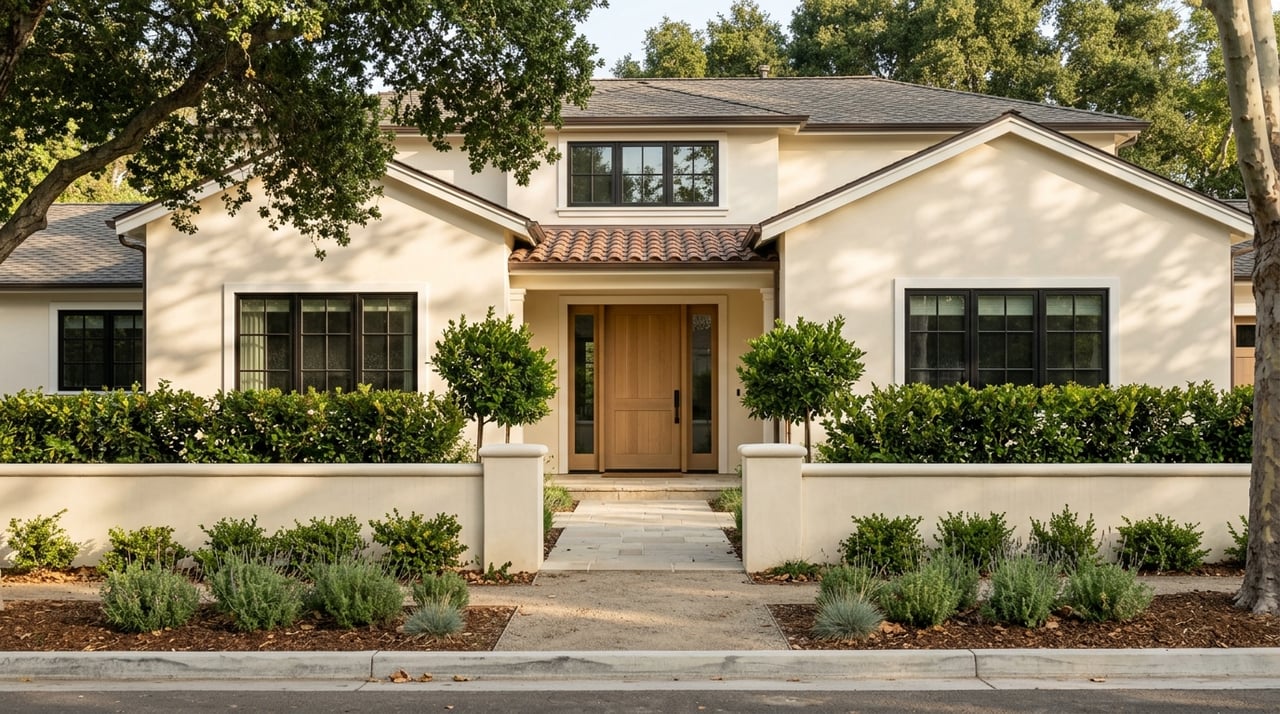
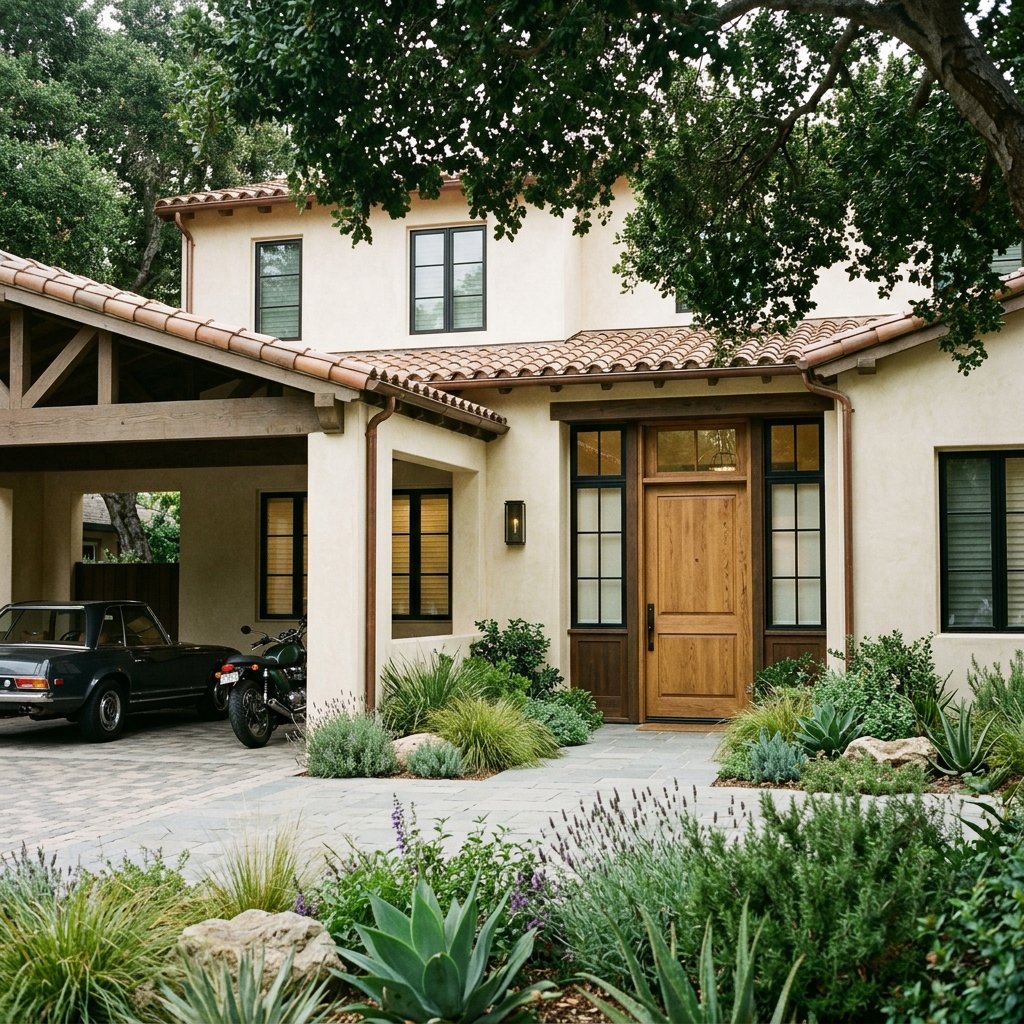
In Hidden Hills, first impressions begin well before a buyer reaches the front door. The gate approach, driveway, landscaping, and front entry all shape the tone of the showing. A luxury home should feel welcoming, clean, and composed from the moment someone arrives.
That usually means editing rather than adding. Clear visual clutter, refresh planting areas, and make sure the approach feels open and easy to take in. Estate properties tend to show best when the exterior feels spacious and maintained, not overdesigned.
Because Hidden Hills has areas in Moderate, High, and Very High Fire Hazard Severity Zones, exterior prep is also about safety. The city recommends defensible space, trimmed trees, spaced landscaping, fire-resistant materials, and clearing flammable materials around outdoor features such as cabanas, outdoor kitchens, and pools. These steps support both presentation and peace of mind.
Focus on outdoor spaces buyers notice
Outdoor living is a major part of the luxury story today. Zillow’s 2025 search data showed stronger interest in features like pools, patios, yards, and views, along with comfort-driven features such as fireplaces, gardens, and fenced yards. In Hidden Hills, that makes outdoor staging especially important.
You do not need to stage every corner of the property. Instead, focus on the spaces that help buyers picture how they would spend time there. That may include the pool terrace, patio, outdoor dining area, lawn, guest house, or equestrian-related spaces.
NAR also identifies outdoor spaces as key areas to stage. If you have multiple exterior zones, give each one a clear purpose. A seating area should feel like a conversation spot, a patio should feel ready for casual entertaining, and a pool area should feel clean, open, and resort-like.
Outdoor staging priorities
- Clean and simplify the front approach
- Make patios and terraces feel usable, not empty
- Keep pool areas crisp and uncluttered
- Highlight yard space without overfilling it
- Present guest house areas as polished and purposeful
- Keep barns, paddocks, and related spaces orderly and easy to move through
If you are scheduling landscape cleanup, remember that Hidden Hills prohibits leaf blowers on streets, roadways, parkways, and trails. Build that into your prep timeline so exterior work is finished smoothly before photography and showings.
Stage to the scale of the home
One of the most common staging mistakes in a luxury property is using pieces that are too small. In estate-scale homes, undersized furniture can make rooms feel awkward rather than grand. Larger, well-proportioned pieces usually work better and help define how each room is meant to function.
This is especially true in great rooms, large family rooms, and expansive primary suites. Buyers should be able to understand the room at a glance. Open circulation, clean sightlines, and a few strong focal points usually do more than filling every wall or corner.
In other words, think edited, not sparse. The home should feel complete and livable, but never crowded. Today’s buyers often respond best to a look that feels elevated, neutral, and easy to personalize.
Prioritize the rooms that drive buyer interest
Not every room carries the same weight when it comes to staging. According to NAR’s 2025 report, 83% of buyers’ agents said staging makes it easier for buyers to visualize a property as a future home. The same report found that the living room, primary bedroom, and kitchen are the highest-priority rooms for buyers.
If you are making decisions about where to spend time and money, start there. These rooms tend to shape the emotional reaction to the home and have a major impact in listing photos, videos, and in-person showings.
Living room and great room
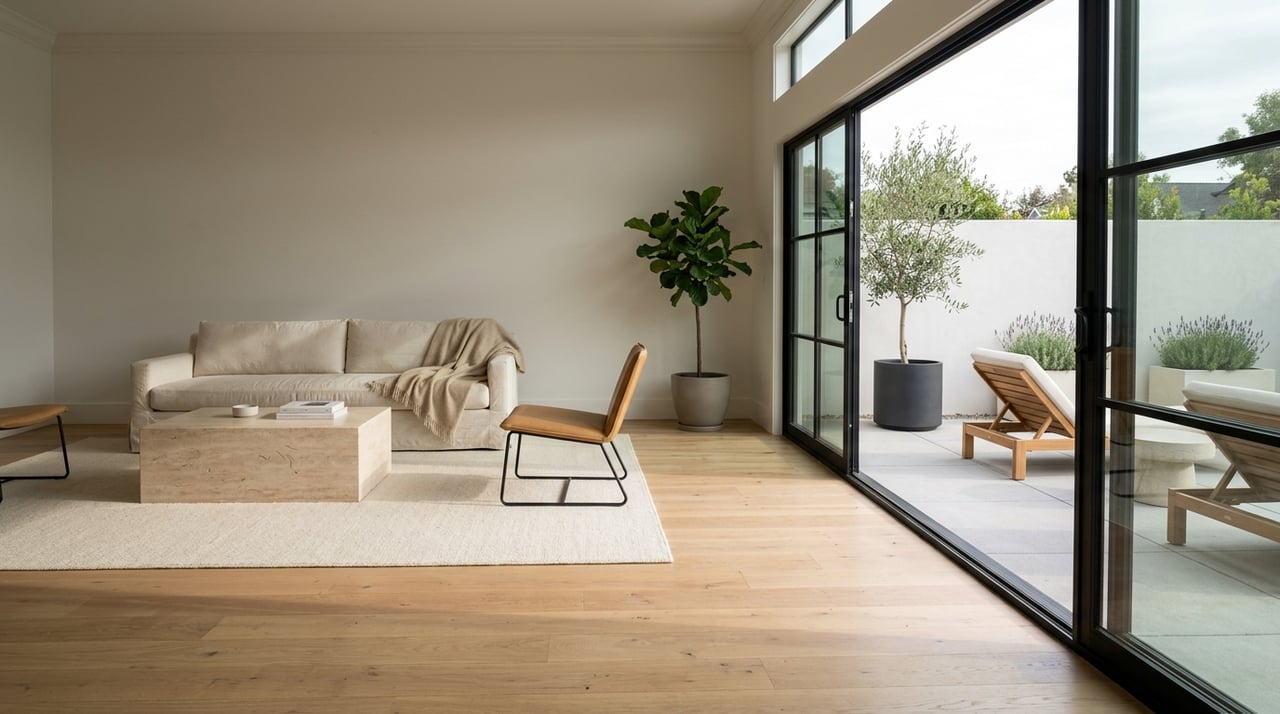
The living room is the visual anchor in many luxury listings. NAR ranks it as the most important room to stage for buyers. In Hidden Hills, it should feel comfortable, elegant, and connected to the rest of the property.
Use fewer, larger pieces and create clear conversation zones. If the room opens to the backyard or pool area, keep that connection visible. Fireplaces, views, and indoor-outdoor flow should read clearly both in person and in photos.
Kitchen and dining
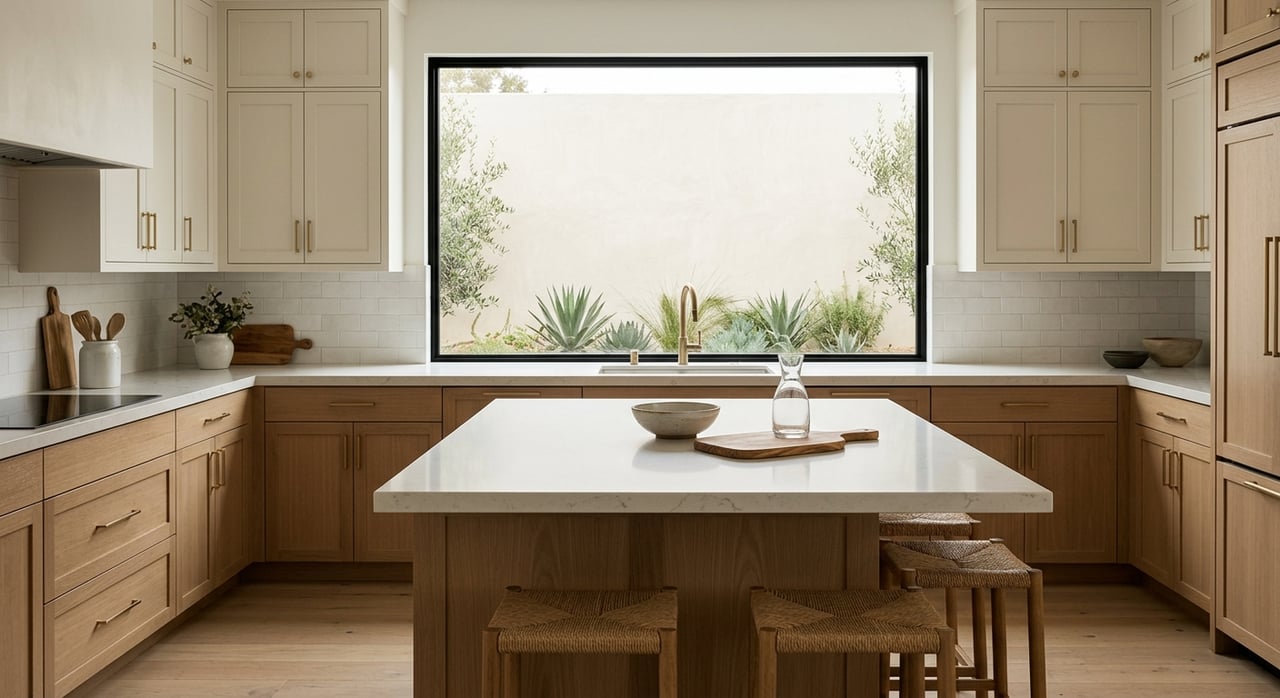
Kitchens show best when buyers can see the quality of the finishes right away. Clear the counters, reduce small appliances, and leave enough open space for islands, premium surfaces, cabinetry, and storage to stand out. Buyers should notice the room itself, not the daily clutter.
Dining spaces should suggest entertaining without feeling formal or over-styled. NAR ranks the kitchen among the top rooms to stage, and the dining room among the most commonly staged spaces. A simple, polished table setting usually works better than a heavy or elaborate one.
Primary suite
The primary bedroom should feel quiet and restful. NAR ranks it just behind the living room in staging importance, and that makes sense in a luxury home where buyers expect a true retreat. Think clean bedding, edited nightstands, soft texture, and plenty of breathing room.
Closets matter too. Even if you are not fully staging the closet, it should feel organized and easy to understand. Buyers are more likely to connect with the suite when every part of it feels calm and well maintained.
Office, gym, media room, and guest spaces
These rooms should show flexibility. Zillow reported rising interest in features like guest house, casita, and in-law suite, which reflects the broader appeal of multi-use living spaces. Buyers often want to see possibility, not highly personal use.
That means a home office should feel functional and clean, a gym should feel bright and simple, and guest rooms should feel fresh without excessive decor. NAR notes that buyers place less emphasis on guest bedrooms and children’s rooms, so these spaces can remain understated as long as they are clean and purposeful.
Plan staging with photography in mind
Luxury staging and listing media should work together. NAR reports that buyers’ agents place high importance on photos, physical staging, videos, and virtual tours. In practice, that means your home should be prepared for the camera, not just for an open house or private showing.
This is one reason restraint matters. What looks fine in daily life can feel busy in professional photography. Clean surfaces, open walkways, balanced furniture placement, and simple styling details usually translate better across photos and video.
NAR also found that 48% of buyers expected homes to look like they were staged for television. That does not mean your home should feel artificial. It means buyers are responding to polished presentation, and strong listing media often starts with smart staging choices.
A smart timeline for sellers 6 to 12 months out
If you are not listing tomorrow, that is a good thing. A 6 to 12 month runway gives you time to stage strategically instead of rushing. NAR’s report points to a practical sequence that can help sellers prepare more effectively.
Suggested prep sequence
- Complete repairs
- Declutter thoroughly
- Deep clean the home
- Refresh landscaping
- Stage the main rooms and outdoor areas
- Schedule professional photos, video, and virtual tours
This order helps each step support the next one. There is little value in styling a room before repairs are done or photographing a home before the landscaping is ready. A measured plan usually creates a stronger result.
NAR also reported that 29% of agents saw staged homes receive offers that were 1% to 10% higher, while 49% said staging reduced time on market. The same survey placed the median staging-service cost at $1,500. While each property is different, those numbers show why many sellers view staging as part of the marketing strategy, not just decoration.
Do not overlook functional features
In Hidden Hills, practical property features can support the listing story when they are presented well. Because the area can face PSPS events during high winds and Red Flag conditions, it is worth making sure generators, battery storage, lighting, and security systems are clean, functional, and ready to photograph if they add value to the home.
If your property includes wildfire-hardening features, irrigation upgrades, or a Home Ignition Zone assessment, those details can also be part of the presentation. The key is to keep the message polished and easy to understand. Buyers should feel reassured by the care and maintenance behind the home, not overwhelmed by technical language.
The goal is a clear, confident impression
The best staging in Hidden Hills helps buyers feel the property before they analyze it. They should see the scale, understand the lifestyle, and remember how the home felt after the showing ends. That comes from thoughtful editing, strong outdoor presentation, and staging choices that fit the home and the market.
If you are planning ahead, a local strategy matters. Hidden Hills has its own physical setting, buyer expectations, and practical considerations, and your staging plan should reflect all of them. When the presentation is done well, every part of the property works harder for you.
If you are getting ready to sell and want a staging plan that fits your home, timing, and the Hidden Hills market, Nancy Cassidy offers personalized guidance backed by deep local experience and polished luxury marketing.
FAQs
What makes staging a Hidden Hills home different from staging other luxury homes?
- Hidden Hills homes often sit on large lots in a rural, country-style setting, so staging should highlight space, privacy, outdoor living, and estate-scale rooms rather than a more generic luxury look.
Which rooms matter most when staging a Hidden Hills luxury listing?
- Based on NAR’s 2025 report, the living room, primary bedroom, and kitchen are the top priority rooms because they help buyers visualize the home most clearly.
Should outdoor spaces be staged for a Hidden Hills home sale?
- Yes. Outdoor areas are especially important in this market, and buyer interest has been strong for features like pools, patios, yards, and views.
How far in advance should you start staging before listing in Hidden Hills?
- If possible, start 6 to 12 months before listing so you have time to complete repairs, declutter, deep clean, refresh landscaping, stage key spaces, and then schedule professional media.
Can safety-related exterior prep help when selling a Hidden Hills home?
- Yes. In addition to improving presentation, exterior cleanup that supports defensible space and reduces flammable material can align with the city’s wildfire-preparedness guidance and make the property feel better maintained.