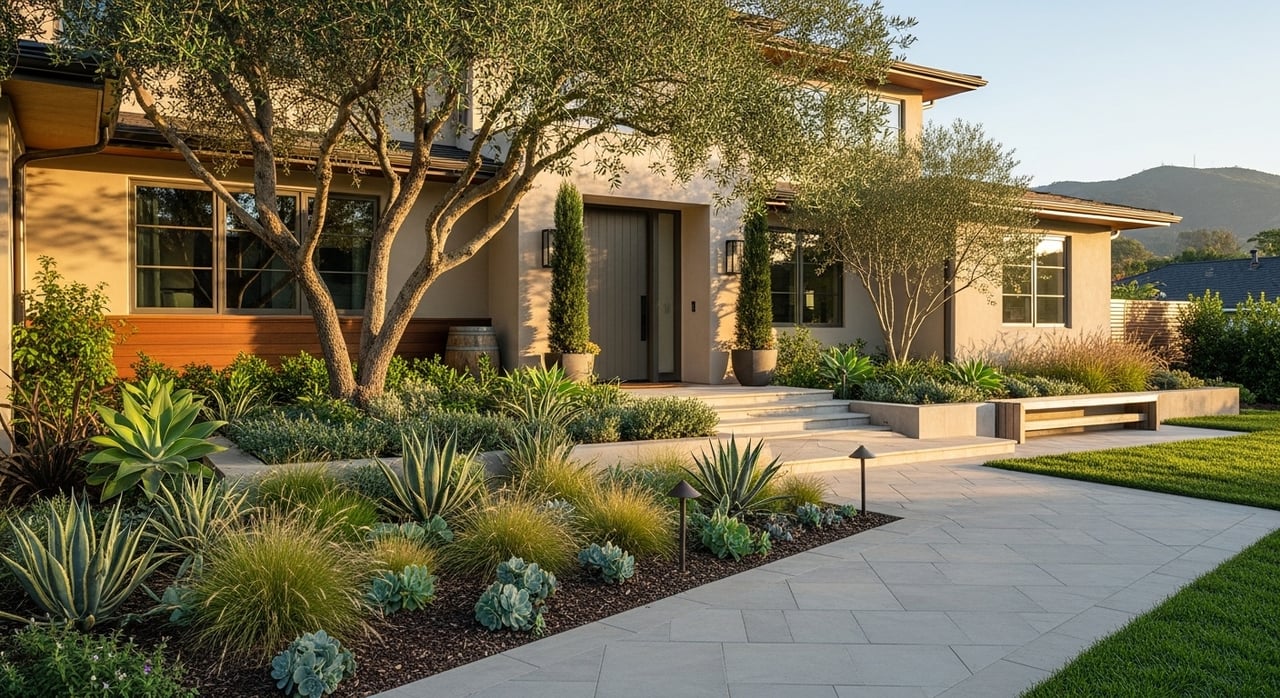
If you live in Sherman Oaks, a drought-ready landscape is about more than saving water. It is about curb appeal, easy care, and staying in step with Los Angeles rules. With a thoughtful plan, you can reduce upkeep, cut bills, and create a yard that supports resale value. Before you start, confirm the latest guidance and any permits or inspections that apply to your address using City and LADWP resources, since rules and rebate details change over time see the LADWP water conservation ordinance overview and the state’s landscape standards for context on MWELO.
Why Drought-Ready Landscaping Matters in Sherman Oaks
Drought is part of life in Southern California. In Sherman Oaks, water-wise yards are now the norm and often expected by buyers. They are also easier to care for. When you choose climate-appropriate plants and efficient irrigation, you protect your budget and help your property show its best.
You will also be working within local rules. Los Angeles uses an Emergency Water Conservation Plan that sets watering schedules, limits waste, and outlines enforcement. LADWP publishes the active phase and consumer guidance, so always check current rules before you set your controller or renovate your yard review LADWP’s FAQs and the ordinance summary here.
How LA Rules Shape Your Yard Plan
Think of the rules as guardrails that help you choose lower-water designs, smarter irrigation, and materials that reduce runoff and heat.
Irrigation and watering basics under local guidelines
- Use efficient delivery. Drip irrigation and high-efficiency nozzles put water where plants need it and reduce overspray. Smart, weather-based controllers adjust watering with the weather and are often eligible for incentives see LADWP program pages for eligibility.
- Water at allowed times. Los Angeles limits outdoor watering days and hours, and prohibits runoff into streets and gutters. Check the current phase and set your controller accordingly via LADWP FAQs.
- Fix leaks fast. Visible leaks and overspray can trigger warnings and fines. The municipal code provides for enforcement, so it pays to keep your system tuned see the ordinance framework.
Turf replacement, hardscape, and plant choices
- Rethink big lawns. Converting to low-water planting beds with mulch and drip is encouraged and can qualify for rebates when pre-approved. LADWP’s turf replacement program sets design standards, such as minimum live plant coverage, mulch, and rain capture elements learn about the program and recent updates announced here.
- Be selective with hardscape. Programs often limit non-plant surfaces to avoid heat islands. Choose permeable materials where you can and keep the look soft with layered planting and shade.
- Choose California-friendly plants. Native and Mediterranean species thrive in our climate and align with state landscape standards outlined by MWELO.
Parkways, setbacks, and street-front considerations
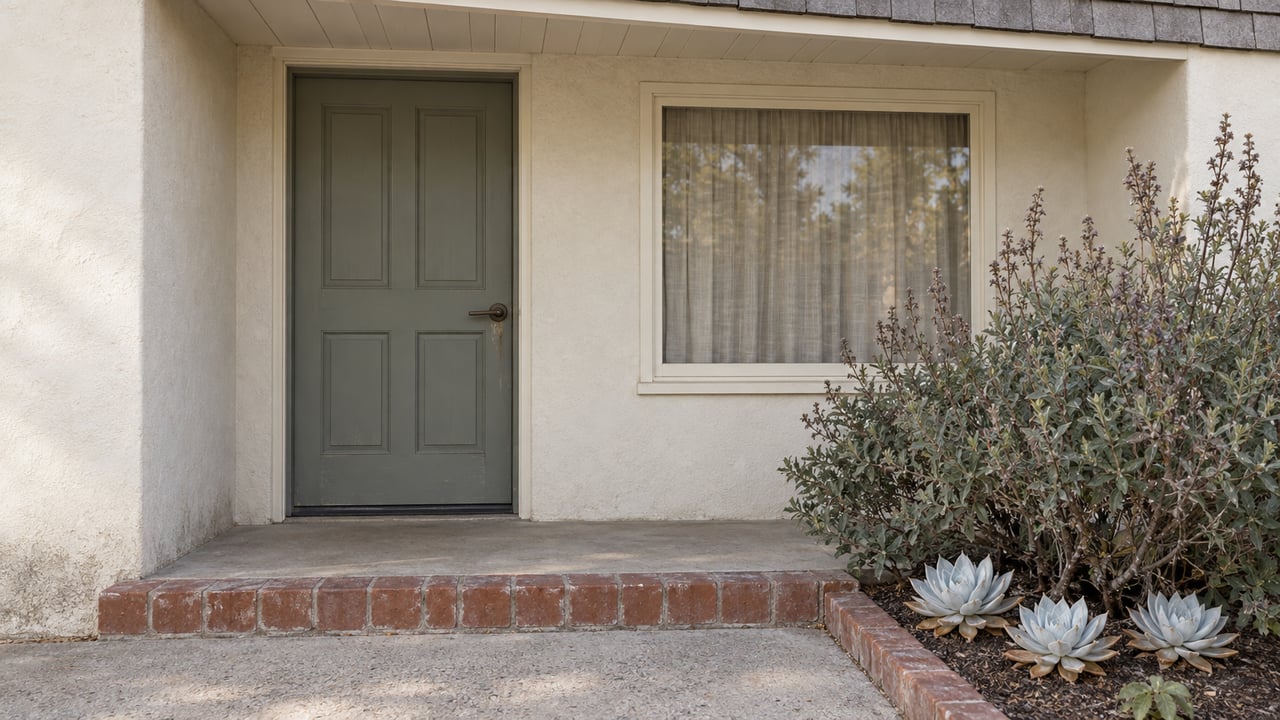
The parkway strip is part of the public right of way and has special rules on height, coverage, and materials. Los Angeles provides guidance for parkway conversions, including plant limits and disallowed materials. Review those details before you design that area LADWP parkway guidance.
Permits, inspections, and HOA coordination
Some projects may require plan checks or documentation to meet California’s landscape standards for new or rehabilitated areas. Larger projects and visible front-yard changes can also trigger HOA or design review. Confirm any approvals up front to avoid rework see MWELO scope and triggers.
Drought-Ready Design That Boosts Curb Appeal
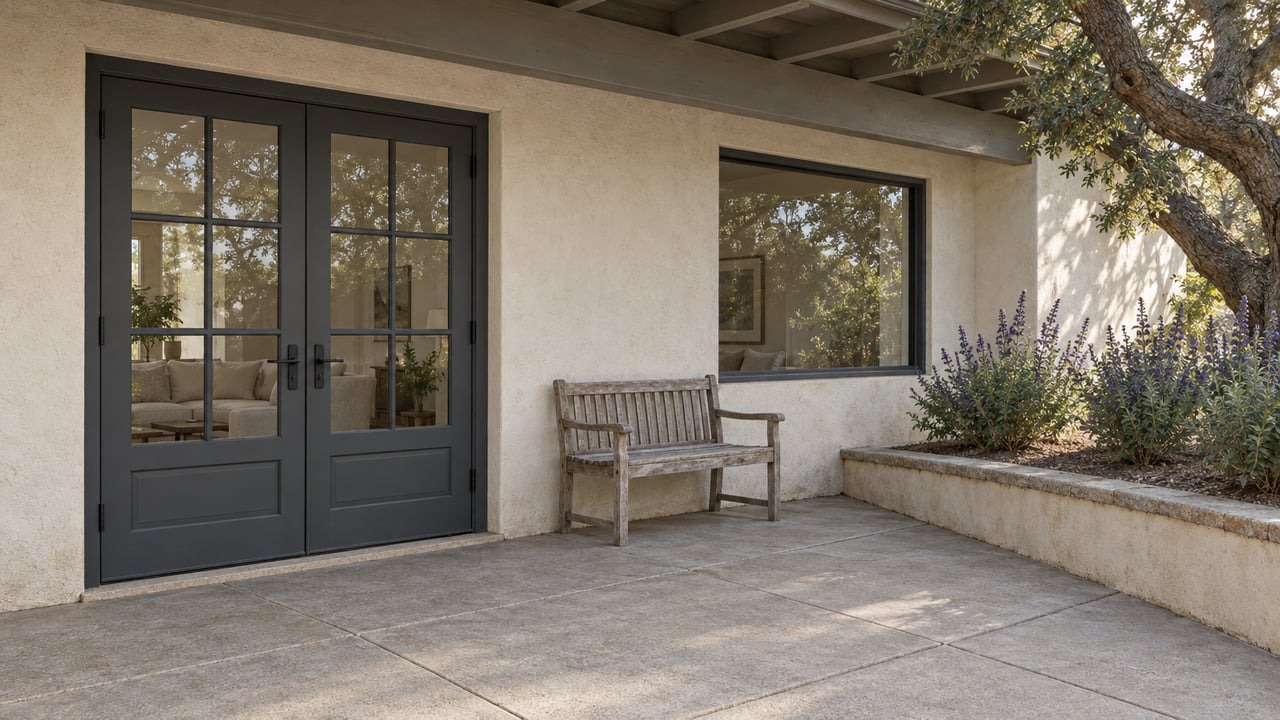
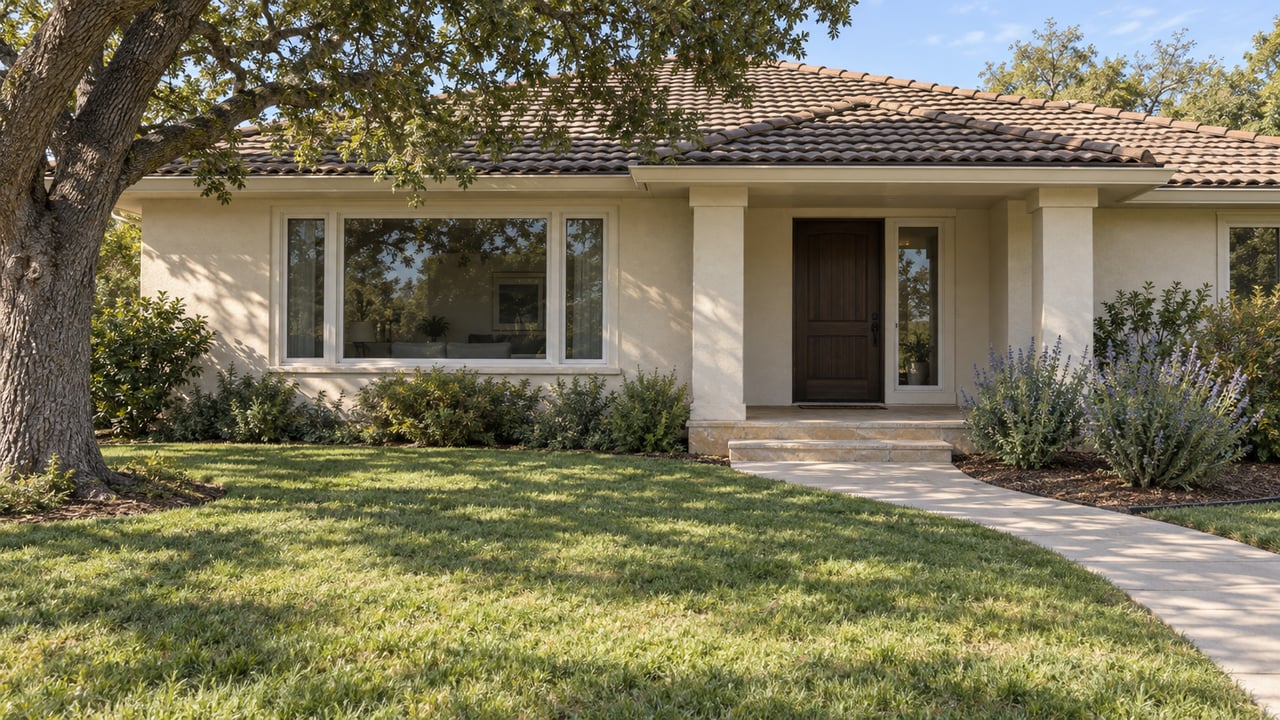
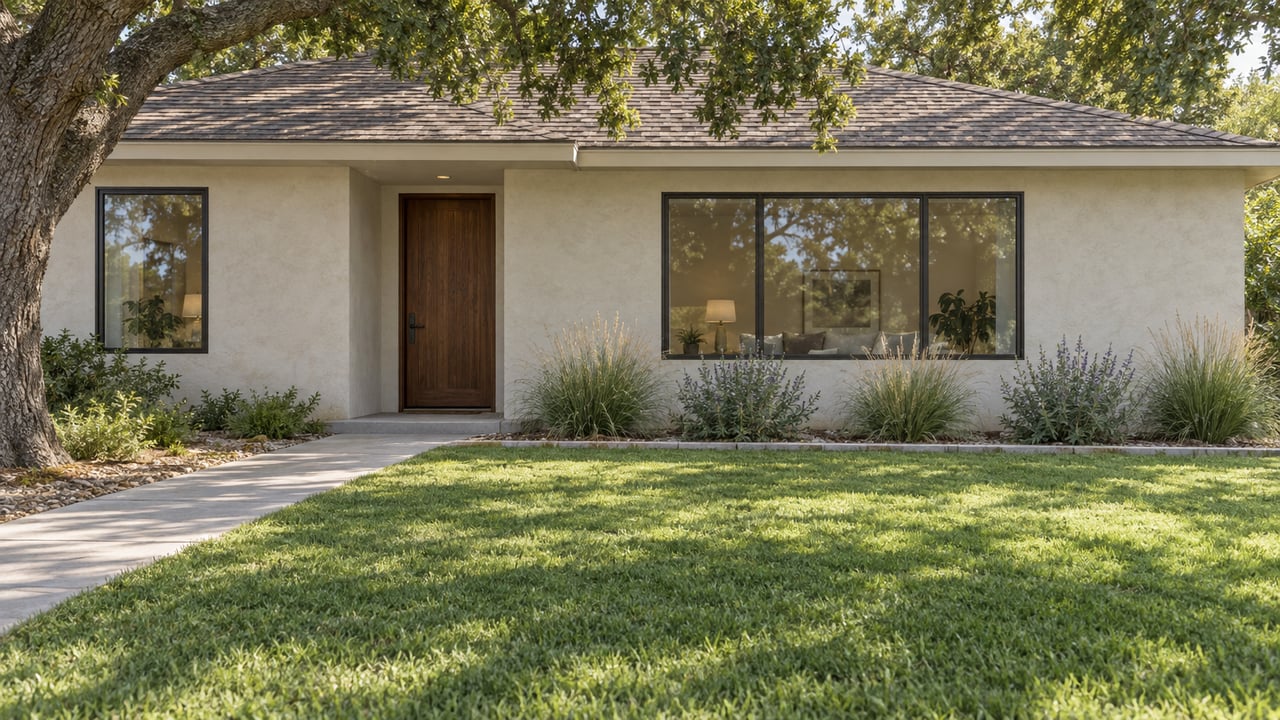
Drought-smart does not mean sparse. Aim for a layered, tailored look that fits Sherman Oaks architecture and keeps maintenance light.
Climate-appropriate plants that look upscale
- Build a cohesive palette. Mix evergreen structure with seasonal bloomers for year-round interest. Use repeating grasses, shrubs, and groundcovers for rhythm, then add accent color near the entry.
- Layer heights. Anchor with sculptural shrubs and small trees, fill with mid-height perennials, and finish with low groundcovers. The result feels lush without high water use.
- Keep the lines clean. Crisp edging, neat pathways, and consistent mulch signal quality, which buyers notice.
Lawn alternatives that feel livable
- Mixed groundcovers. Drought-tolerant groundcovers can create a soft, walkable feel in smaller areas. Combine with stepping stones for access and design.
- Ornamental grasses and mounded beds. These add movement and texture while staying low water. Use in swaths for a modern look.
- Limited-use turf. If you need a patch for pets or play, keep it compact and irrigated on a separate zone so you do not overwater the rest of the yard.
Shade, trees, and microclimates
Trees cut heat, protect hardscape, and reduce evapotranspiration. Place canopies to shade south and west exposures, patios, and driveways. Understory plants in these cooler microclimates use less water and look better through summer.
Fire-wise, hillside, and drainage considerations
- Choose plants with low fuel load and maintain clearances around structures. Keep mulch depths moderate near the house and prune regularly.
- On slopes, use deep-rooted groundcovers and contour with terraces or swales to slow water and prevent erosion.
- Direct downspouts into landscaped areas or rain capture features, not hardscape, to reduce runoff.
Smarter Irrigation, Soil, and Water Capture
The best water saving starts below the surface and at the controller.
Drip, zones, and smart controllers
- Convert spray to drip in planting beds. Use emitters matched to plant needs and separate zones for trees, shrubs, and any turf. Pressure-regulate and filter each valve for even flow.
- Install a weather-based controller. WaterSense-labeled smart controllers adjust schedules for weather and can reduce overwatering. Many are rebate eligible through local programs see LADWP resources and regional references for smart devices example overview.
Soil health, mulch, and hydrozoning
- Amend soil before planting. Compost improves infiltration and water holding, which means fewer run times consistent with MWELO’s soil guidance.
- Add 2 to 3 inches of organic mulch. Mulch reduces evaporation and keeps roots cool. Keep it a few inches away from trunks and stems.
- Hydrozoning. Group plants with similar water needs on the same valve so every zone gets only what it requires.
Rain capture and permeable surfaces
- Install rain barrels or a small cistern to store roof runoff for later irrigation. Pair with simple swales or a rain garden to slow and sink water during storms MWELO encourages on-site capture.
- Choose permeable pavers, decomposed granite, or spaced stepping stones for paths and patios to reduce runoff and heat.
Graywater basics for landscapes
Laundry-to-landscape systems can irrigate trees and larger shrubs with household graywater. These systems must follow plumbing code, and some projects call for a licensed pro. Explore local guidance and rebates if you plan to integrate graywater into your yard see a regional graywater resource.
Budget, Rebates, and Resale ROI
Budget tiers and where to splurge
- Start with design. A tightly edited concept saves money during install and yields a high-end look.
- Invest in the irrigation backbone. Quality valves, pressure regulation, filters, and a smart controller pay off for years.
- Plant trees early. Canopy value grows over time, boosting comfort and curb appeal.
Incentives and how to qualify
Los Angeles offers popular rebates for landscape conversion and efficient devices. Most programs require pre-approval before you remove turf or purchase equipment, plus photos and final verification. Design rules apply, including live plant coverage, mulch, and rain capture features. Review the latest LADWP program details and updates before you begin turf replacement overview and recent program changes here. Policies evolve, so check rules again right before you submit.
Seller optics and appraiser-friendly upgrades
Appraisers and buyers both respond to tidy lines, healthy plants, and consistent finishes. Highlight low-water features in your listing remarks and provide a one-page summary of upgrades, including controller model, drip conversion, and any rebate approvals or final confirmations.
Your Step-by-Step Plan for a Compliant Makeover
Assess, measure, and set goals
- Walk the site at different times of day. Note sun and shade, hot walls, and slope.
- Map how you use the yard. Pets, play, dining, privacy. Set a maintenance level you will keep.
- Take photos and measurements. You will need them for design and potential rebates.
Concept design and plant list
- Sketch simple zones. Entry, side yards, entertaining, utility.
- Choose a palette that fits your architecture. Repeat colors and textures for a refined look.
- Plan for seasonal interest. Mix evergreen structure with bloom cycles.
Confirm rules and line up vendors
- Review watering rules, turf replacement requirements, and parkway limits. Bookmark the LADWP FAQs and ordinance page for quick reference FAQs and ordinance overview.
- If your project is large or in a sensitive area, confirm if state landscape standards apply to you MWELO basics.
- Shortlist a landscape designer and an irrigation contractor with rebate experience.
Install in phases and maintain
- Phase 1: Infrastructure. Demo, grading, drainage, valves, mainline, sleeve runs, controller and sensors.
- Phase 2: Irrigation and mulch. Convert spray to drip in beds and set up separate zones.
- Phase 3: Planting. Trees first, then shrubs and groundcovers. Finish with top-up mulch.
- Care rhythm: Check emitters and filters quarterly, adjust the controller seasonally, and refresh mulch yearly.
Avoid These Costly Mistakes in LA Neighborhoods
Overdoing hardscape or bare “zeroscaping”
Large expanses of rock or concrete can create heat, glare, and runoff. Pair modest hardscape with layered planting and shade to keep the property comfortable and welcoming. LADWP program rules also limit non-plant surfaces in rebate projects see updates.
Ignoring street frontage and sightlines
Keep the entry open and the house visible. In the parkway and near driveways or corners, follow height and spacing guidance so sightlines stay safe and attractive parkway guidelines.
Removing established trees without guidance
Mature trees are valuable to comfort and value. Some removals can trigger city review or HOA rules. Consider pruning or replacement planting before removal.
Skipping drainage planning
Runoff to the street is prohibited and can lead to enforcement. Include swales, permeable paths, and rain capture so water stays on site see LADWP FAQs about runoff.
Partner With a Local Advisor for Maximum Impact
Pre-list curb appeal strategy and vendor referrals
If you are getting ready to sell or lease, align your landscape plan with timing and budget. A few targeted updates can transform first impressions. I coordinate design direction, connect you with trusted pros, and help you avoid rule missteps so your project finishes on schedule.
Neighborhood-specific buyer preferences
Sherman Oaks buyers tend to favor tailored, modern-traditional landscapes with shade, simple plant palettes, and comfortable outdoor rooms. We will calibrate your choices so the yard complements your home’s style and speaks to today’s buyers.
Seamless timing with your sale or lease
We can phase work to match photo day and launch, while gathering receipts and confirmations for your disclosures. Ready to talk through your plan? Let’s make your yard drought-ready and market-ready at the same time.
If you want a hands-on guide to plan, price, and execute a beautiful, compliant landscape makeover, connect with Nancy Cassidy. I will help you balance design, rules, and ROI so your home stands out. Let’s Connect — Schedule a Consultation.
FAQs
What rules do I need to follow when watering in Los Angeles?
- Los Angeles limits outdoor watering by days and hours and prohibits runoff. Check the active phase and specific allowances before you set your schedule LADWP FAQs.
Do I need approval to remove my lawn and get a rebate?
- Most turf replacement rebates require pre-approval, site photos, and a final inspection. Design standards apply, including live plant coverage and rain capture elements LADWP turf replacement overview.
Is artificial turf allowed for rebates in Los Angeles?
- Program rules change, but recent updates exclude synthetic turf from rebate eligibility and tighten design standards. Always verify current terms before you buy materials LADWP program update.
What is MWELO and why does it matter?
- California’s Model Water Efficient Landscape Ordinance sets efficiency standards for new and rehabilitated landscapes. Larger projects may need documentation or a prescriptive path. Check scope and triggers before you start MWELO details.
Can I plant the parkway in front of my house?
- Yes, but parkways have specific rules on height, plant types, and materials, plus separate approvals in some cases. Review the City’s guidance before you design that strip parkway guidelines.
Are there rebates for smart irrigation devices?
- LADWP and regional partners offer incentives for weather-based controllers and high-efficiency nozzles. Check current eligibility and apply before purchase or installation start with LADWP resources.
How can I reuse water on my landscape legally?
- Consider rain barrels, swales, and laundry-to-landscape graywater. Follow code and consult a pro when needed. Explore regional graywater resources for best practices and potential incentives graywater overview.