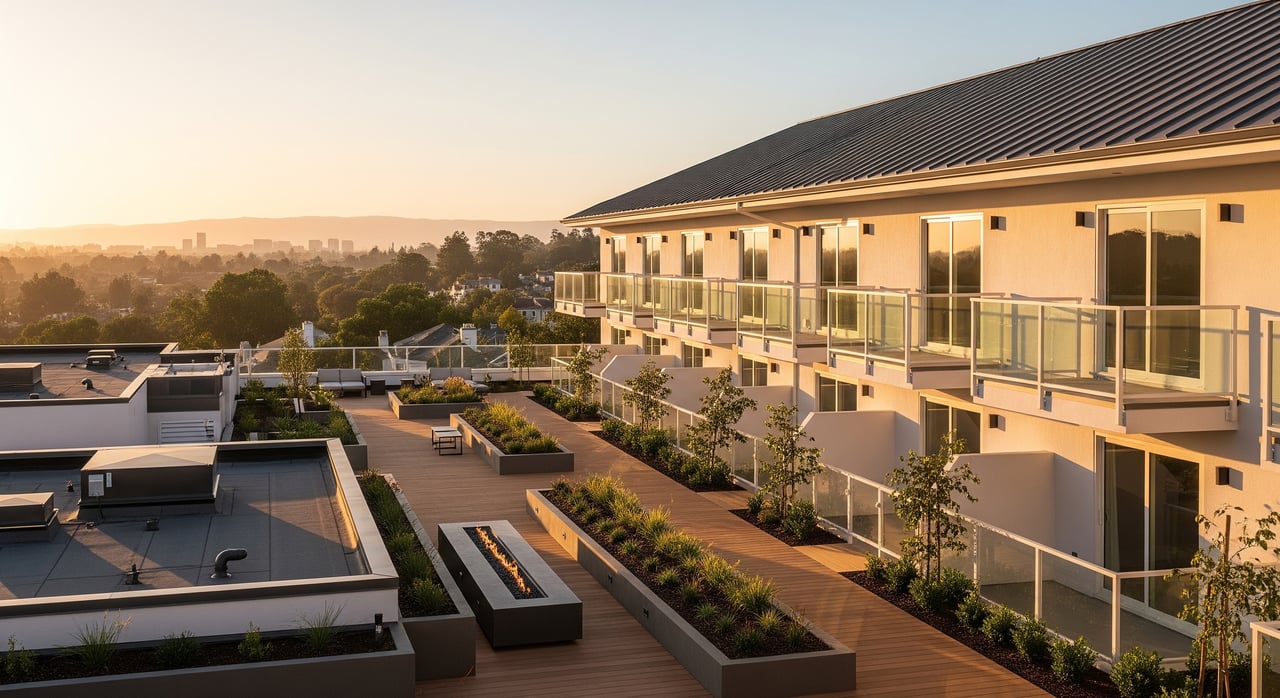
Buying a condo in Sherman Oaks, San Jose? Your returns will live or die on the health of the HOA and whether the building is compliant with California’s SB 326 balcony inspection law. In a high-cost market, one special assessment or insurance change can flip cash flow fast. This guide shows you how to read an HOA’s financials, what SB 326 actually requires, and how to spot red flags before you write an offer. Let’s dive in.
Why HOA health matters in Sherman Oaks
Santa Clara County’s condo and townhome market moves quickly, and San Jose’s median condo price hovered near $860,000 in July 2025. You need to underwrite not just price, but also HOA dues, assessment risk, and compliance costs that affect net yield. SCCAOR’s monthly snapshot offers useful county and city context, but always pull MLS comps for your specific building in Sherman Oaks.
A financially strong HOA supports smoother ownership and better resale. A weak one can mean deferred maintenance, lender pushback, and sudden cash calls that hit your bottom line.
SB 326 explained in plain English
SB 326 added Civil Code §5551 to the Davis‑Stirling Act to reduce failures of exterior elevated elements like balconies and walkways. The law applies to condominium projects with three or more units and requires periodic visual inspections of load‑bearing elements that are wood or wood‑based and more than six feet above grade. You can read the bill text summary for the full scope.
What gets inspected and by whom
The inspection covers balconies, elevated walkways, exterior stairs, and similar elements that extend beyond exterior walls and face weather exposure. The Davis‑Stirling resource on elevated structure inspections clarifies coverage and reporting. Only licensed structural engineers or licensed architects can perform condo inspections under SB 326, as outlined by community association counsel.
Sampling, deadlines, and reporting
Inspectors must review a statistically significant random sample that yields 95 percent confidence with a ±5 percent margin of error. Existing condo associations faced an initial inspection deadline for the first cycle by January 1, 2025, with follow‑up inspections at least every nine years. Buildings permitted on or after January 1, 2020 must inspect within six years of receiving a certificate of occupancy, per this SB 326 compliance overview. Associations must keep reports, incorporate findings into the reserve study, and act immediately if an imminent safety hazard is found, as noted by Davis‑Stirling guidance.
What this means for investors
A completed SB 326 inspection with documented follow‑up repairs lowers the risk of emergency findings or surprise assessments. An association that has not inspected, or has unresolved deficiencies without a funding plan, is a red flag for near‑term capital calls and higher insurance or legal exposure. You want to see clear inspection results, an adopted repair schedule, and those costs integrated into the reserve plan.
How to read the reserve study
California requires HOAs to perform a reasonably competent visual inspection and reserve study at least every three years, review it annually, and adopt a funding plan in an open meeting. The annual budget report must include a reserve summary and disclosures. See the Davis‑Stirling Civil Code summary for §§5550–5565 on reserve planning and disclosures.
Focus on the percent funded metric, which compares the current reserve balance to the fully funded balance for component wear. Many reserve professionals consider around 60 to 80 percent funded, with 70 percent often cited as healthy, while below about 30 percent is commonly viewed as high risk for special assessments. For practical thresholds and context, review this reserve adequacy overview.
Confirm the reserve study includes exterior elevated elements identified in the SB 326 report. If balconies or walkways need work, they should appear as funded components with timing and costs.
SB 326 costs you should expect
Inspection pricing varies by building size and complexity. Industry ranges often run from about $200 to $1,500 per element or roughly $2,500 to $20,000+ per property, as outlined in this SB 326 cost guide. Larger complexes or statistical sampling needs can drive higher fees.
Repair costs depend on scope. Minor fixes like fasteners and localized waterproofing may be a few hundred to a few thousand dollars per element. Moderate work such as partial decking and framing repairs can land in the low thousands to about $5,000 to $15,000 per element. Full balcony replacements can range from $15,000 to $50,000+ per element, according to this repair cost overview.
Plan for the possibility that urgent safety findings trigger fast action and near‑term funding. If available reserves are insufficient, boards often levy special assessments or secure loans, then adjust dues to cover payments.
Due diligence checklist for Sherman Oaks condos
Use this list before you write an offer. It helps you separate strong associations from risky ones.
- Most recent reserve study and 30‑year funding plan, with current percent funded and confirmation that SB 326 findings are integrated into components.
- SB 326 compliance materials: inspection report, sampling method, deficiencies, completed repairs, and any communication about imminent hazards.
- Financials: operating budget, balance sheet, income and expense statements, reserve account bank statements, accounts receivable aging, and any HOA loans.
- Governing documents and recent meeting minutes, plus notices of assessments or special meetings. California sellers must deliver key HOA disclosures at resale under Civil Code §4525.
- Insurance summary: master policy coverages, deductibles, premium trends, and any nonrenewal notices.
- Litigation or code issues: construction defect claims, outstanding violations, or code enforcement activity.
- Management and vendor contracts, including termination clauses and fees.
Questions to ask the board or manager
- Has the SB 326 inspection been completed? When, by whom, what was the sampling method, what repairs were recommended, and how were they funded?
- What is the current percent funded, and when was the reserve study last updated? Are balconies and walkways included as funded components?
- Are special assessments or large capital projects planned in the next one to five years? If yes, request the board resolution and funding plan.
- Any known building defects, recent code enforcement contacts, or insurance coverage issues that could increase dues?
Red flags to price in or walk away from
- No SB 326 inspection when the building has exterior elevated elements, or a report showing extensive deficiencies without a funded plan.
- Percent funded far below industry norms, especially under about 30 percent without a credible path to improve.
- Frequent special assessments, heavy reserve withdrawals, active construction defect litigation, or lender reluctance to finance units in the building.
- Insurance coverage gaps, high master policy deductibles, or steep premium increases that will push dues higher.
Local comps and underwriting tips
Sherman Oaks is a San Jose neighborhood, so city and county data is more available than hyper‑local reporting. Use the county snapshot for context, then underwrite based on building‑specific comps, HOA dues, and reserves. In your cash flow, model a range for inspection and repair exposure tied to SB 326 and any other planned capital projects.
When in doubt, stress test your pro forma for a moderate special assessment. Even a small building can see six‑figure needs if multiple balconies require replacement.
Bottom line
SB 326 makes balcony and elevated walkway inspections a must‑check item in HOA due diligence. For condos in Sherman Oaks, San Jose, prioritize associations with completed inspections, reserve studies that include exterior elements, and a percent funded near industry norms. If inspections are incomplete or reserves are thin, expect higher near‑term capital needs and adjust your offer and underwriting accordingly.
If you want a second set of eyes on an HOA package or help crafting a smart offer, reach out to Nancy Cassidy for personalized guidance.
FAQs
What is SB 326 and how does it impact San Jose condo buyers?
- SB 326 requires periodic inspections of wood‑supported exterior elevated elements in condo projects with three or more units, with reports integrated into HOA reserves and immediate action on any safety hazards, per the bill text and Davis‑Stirling summary.
Which professionals can perform SB 326 condominium inspections in California?
- Only licensed structural engineers or licensed architects may perform the required condo inspections, as outlined by community association counsel.
What HOA documents must California condo sellers provide to buyers?
- Sellers must provide governing documents and the most recent annual budget and reserve disclosures under Civil Code §4525; buyers should also request minutes, insurance summaries, and the latest reserve study.
How should I interpret an HOA’s percent funded in the reserve study?
- Many reserve professionals view roughly 60 to 80 percent funded as healthier and under about 30 percent as higher risk for special assessments, according to this reserve adequacy overview; always read the 30‑year funding plan and assumptions.
What are typical SB 326 inspection and repair costs to budget for?
- Inspections often range from about $200 to $1,500 per element or $2,500 to $20,000+ per property, and repairs can span from minor fixes in the low thousands to full balcony replacements at $15,000 to $50,000+ per element, based on inspection cost guidance and repair cost ranges.